Design Dictionary

Kokeshi Design Dictionary

Form, color, pattern, face — a reference organizing the four vocabularies of kokeshi design to read the character of each of the 12 lineages.

Udforsk delene

Alle

Stilen varierer med håndværker og periode. Illustrationer og farver afventer faglig gennemgang.

Denne beskrivelse findes på japansk.

ベレー帽状
Foreløbig

ベレー帽状

Læs mere

弥治郎系

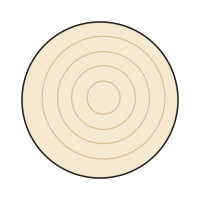
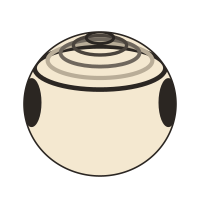
頭頂にロクロ線で描く同心円の輪—「ベレー帽状」。遠刈田の手絡(放射状の花)・肘折・蔵王の手絡とは本質的に異なる「輪」である点が決定的。

Kilder: Kokeshi Wiki · 鹿間時夫『こけし辞典』

Form (Proportion)
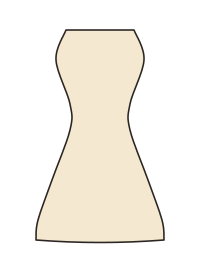
Head-to-body ratio, shoulder width, inset head or carved-in-one-piece construction.

Head-to-body ratio
Foreløbig

Head-to-body ratio

The proportion of head size to body length is the most concise indicator of regional origin and an artisan's hand.
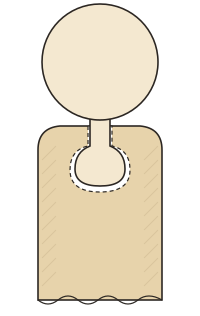
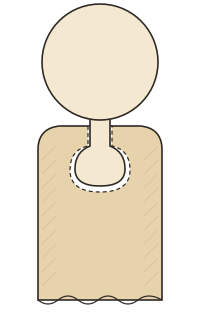
Læs mere
  • Naruko and Togatta have large heads and a dignified upright stance.
  • Tsuchiyu and Nakanosawa have small heads and long bodies — an elegant proportion.
  • Yajiro has an extremely large head, with characteristic lathe-turned lines like a beret.
Head construction (inset / carved-in-one)
Foreløbig

Head construction (inset / carved-in-one)

Whether the head is turned separately and inserted into the body ('inset') or carved from a single block ('carved-in-one').
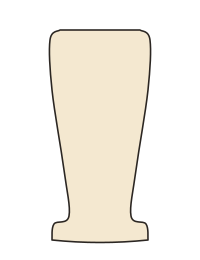
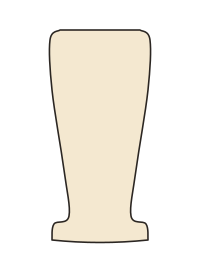
Læs mere
  • Naruko uses an inset head; turning it produces a distinctive squeak.
  • Most Togatta, Tsuchiyu, and Yajiro dolls also use inset heads.
  • Kijiyama and Nanbu traditionally use carved-in-one construction. Zao has both inset and carved-in-one examples.
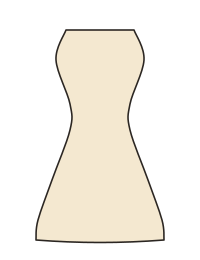
Body silhouette
Foreløbig

Body silhouette

Straight body, waisted body, flared hem — the contour line defines the expression.

Læs mere
  • Naruko has a slightly constricted 'drum body' (kodō).
  • Togatta has a thick straight body with a stable feel.
  • Tsuchiyu is slender with a slight flare toward the hem.
  • Yamagata styles are squat and rustic.

Three-way split in crown painting — the mizuhiki-te lineage tree

Ancestor type:Mizuhiki-te (decorative forelock)(Forelock ornament of Gosho dolls)

One tradition holds that Tsuchiyu, Naruko, and Togatta diverged from a common ancestor in the Gosho doll forelock ornament 'mizuhiki-te' (see Kokeshi Wiki and related sources). Reading lineage through crown design is a widely used entry point for kokeshi identification.


Mizuhiki knot / kaku-kami
Foreløbig
Naruko一次

Mizuhiki knot / kaku-kami

Retains the form of a mizuhiki knot. Hair tufts (kaku-kami) hang at both temples.
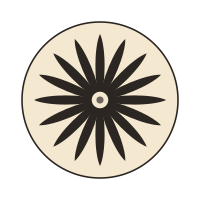
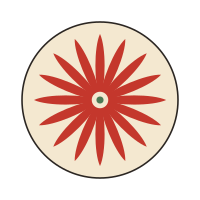
Tegara (topknot ornament)
Foreløbig
Togatta一次

Tegara (topknot ornament)

Developed into a large, radial red topknot ornament with a purple dot at the center.
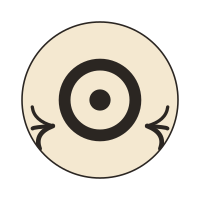
Janome + kase
Foreløbig
Tsuchiyu一次

Janome + kase

Forelock becomes concentric circles (janome). 'Kase' ornaments at both temples.

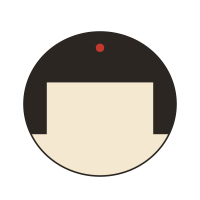
Beret ring
Foreløbig
Yajiro通説

Beret ring

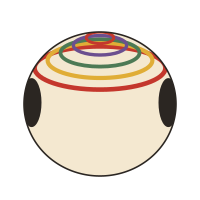
Concentric lathe lines in red, green, and purple on the crown. A derived form.

Black hair + janome + tegara
Foreløbig
Zao通説

Black hair + janome + tegara

Tsuchiyu-type crown overlaid with tegara — lavish multicolor.

Okappa + red center part
Foreløbig
Tsugaru一次

Okappa + red center part

A distinct regional expression, separate from the mizuhiki-te lineage.
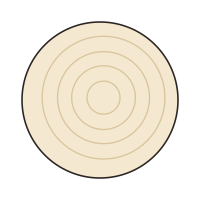
Unpainted
Foreløbig
Nanbu (Kinakina)一次

Unpainted

No painting. A white-wood pacifier doll with a wobbly head.

Identification axes

Observing structure, crown, face, and body in order narrows down the lineage.

①

Structure — head-to-body joint

Construction differences govern sound, weight, and tactile feel.

  • Inset (hame-komi)Naruko · TsuchiyuHead squeaks when turned (Naruko = kyu / Tsuchiyu = kii-kii)
  • Slip-inTogatta · Yajiro and others
  • Carved-in-one (single block)Kijiyama · Nanbu · Tsugaru (partial)Jizo type · Taishi type · Kinakina

②

Crown and forelock — primary axis

The three-way split from mizuhiki-te (Naruko = knot / Togatta = tegara / Tsuchiyu = janome) is the core of identification.

  • Mizuhiki knot / kaku-kamiNaruko
  • Large tegara ringTogatta · Hijiori
  • Janome + kaseTsuchiyu
  • Beret ringYajiro
  • Okappa + red center partTsugaru
  • UnpaintedNanbu

③

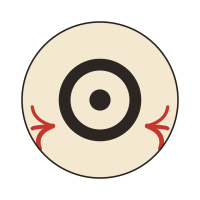
Face — eye and nose painting

Primary sources are scarce, but useful as a supplementary identification aid.

  • Single strokeKijiyama (Kutaro)Upper lid only
  • Two strokesNaruko · TogattaUpper and lower lines
  • Dot eyes (sleeping)Tsuchiyu (Asanosuke line)
  • Whale eyes / sanpakuTsugaru (early period)
  • Split noseYamagata (Kurakichi line identification point)

④

Body form

Silhouette reflects the artisan's hand and the diameter of the lathe.

  • Slender straight bodyTsuchiyu · Yamagata (original) · Sakunami
  • Waisted bodyTsugaru · Yamagata (post-Tsunematsu) · Zao
  • Shoulder ridgeNaruko · old Sakunami
  • Carved-in-one (seated)Kijiyama · Nanbu

Pattern guide

Body motifs fall broadly into floral / lathe / geometric-kasuri / pictorial / unpainted.

A. Floral motifs (grass-and-flower patterns)

Chrysanthemum, plum, cherry, peony — the stars that adorn the kokeshi body.

  • Kiku-magaki (chrysanthemum fence)

    Sakunami · Yamagata

    一次

    Diagonal chrysanthemum plus fence (hedge). Prototype of scattered cherry.

  • Layered chrysanthemum

    Yajiro · Togatta · Naruko

    一次

    Petals stacked concentrically, radiating outward.

  • Scattered cherry (sakura-kuzushi)

    Togatta

    通説

    Cherry scattered diagonally (chrysanthemum read as cherry). Derived from Sakunami.

  • Sideways plum · dango plum

    Kijiyama

    一次

    Plum painted inside the bib.

  • Iris pattern

    Togatta (body reverse) and others

    一次

    Tall iris-like flower. Wards off evil spirits.

  • Peony

    Zao · Kaminoyama

    通説

    Large flower. Lavish coloring.

  • Nadeshiko · maple

    Multiple lineages

    未確認

    Nadeshiko (notched petals) and maple.

B. Lathe patterns

Multicolor horizontal bands using rotation — the process itself becomes the pattern.

  • Lathe color bands

    Yajiro · Yamagata · Nanbu

    通説

    Multicolor horizontal bands using rotation.

  • Wood-grain pattern

    Kijiyama · Tsuchiyu (Jisuke line)

    通説

    Concentric ellipses imitating tree rings.

C. Geometric · kasuri · bib

Kimono motifs transferred to the body.

  • Well-frame · kasuri

    Kijiyama (inside bib) · Yamagata

    一次

    Well-frame (#) geometric pattern.

  • Bib (yodare-kake)

    Kijiyama

    一次

    Floral motifs inside a kimono-style bib.

  • Collar · Y-collar

    Yajiro · Kijiyama

    一次

    Kimono collar. Kijiyama uses a Y-shape.

D. Pictorial motifs (figurative subjects)

Tsugaru's domain — regional painting transferred directly to the body.

  • Nebuta painting

    Tsugaru

    一次

    Bold line drawing in warrior-painting style.

  • Daruma

    Tsugaru

    一次

    Daruma painted on the body.

  • Ainu motifs (karakusa · warabite)

    Tsugaru

    一次

    Swirling karakusa = warabite (fern frond).

E. Unpainted

Not painting is itself a design choice.

  • Kinakina

    Nanbu

    一次

    Unpainted white wood. Head moves freely.

Quick identification table

LineageCrown tellBody pattern tellStructure · body form
TsuchiyuJanome + kase at both templesLathe lines primarySlender straight body / inset (kii-kii)
NarukoMizuhiki knot ornament / kaku-kamiLayered chrysanthemum · wood grainShoulder ridge / inset (kyu)
TogattaLarge radial tegaraLayered chrysanthemum · scattered cherry + iris on body reverseThick straight body · large head
YajiroBeret-like lathe ringsMulticolor lathe bands · layered chrysanthemumStraight body
ZaoBlack hair + janome + tegaraKiku-magaki-style chrysanthemum · peony (lavish multicolor)Straight body / waisted
YamagataModest forelock · split noseMany small chrysanthemums + bib + lathe linesWhite straight body to waisted
SakunamiRustic forelock (oldest layer)Kiku-magakiSlender straight body / old type has shoulder ridge
HijioriTegaraTogatta-style + lathe linesNaruko-like thick straight body (Naruko + Togatta)
KijiyamaOkappa · Y-collarBib + sideways plum / dango plum · well-frame kasuriCarved-in-one (single block)
NanbuUnpainted is the originNo pattern / lathe linesHead moves freely (Kinakina)
TsugaruOkappa + red center part · whale eyesNebuta · Daruma · Ainu motifsThick body · standing-child style
NakanosawaTsuchiyu type (large head)Large eyes · bold rustic coloringTsuchiyu sub-line (not independent)

Identification flow

  1. 01

    No face and the head wobbles freely?

    → Nanbu (Kinakina)

  2. 02

    Nebuta, Daruma, or Ainu motifs on the body?

    → Tsugaru

  3. 03

    Bib + Y-collar on the body (carved-in-one)?

    → Kijiyama

  4. 04

    Head squeaks when turned (inset)? Mizuhiki knot + layered chrysanthemum or janome + kase + lathe lines

    → Naruko / Tsuchiyu

  5. 05

    Large radial tegara? Tegara alone + layered chrysanthemum/scattered cherry or lavish multicolor or Naruko-like thick body + Togatta coloring

    → Togatta / Zao / Hijiori

  6. 06

    Concentric lathe rings on the crown (beret ring)?

    → Yajiro

  7. 07

    Kiku-magaki body · slender white straight body (no lathe lines)?

    → Sakunami (pure)

  8. 08

    Waisted + many small chrysanthemums + bib + split nose?

    → Yamagata

Form characteristics by region and lineage

naruko

Naruko style

The classic inset head that squeaks when turned.

FaceThin, long 'mizuhikime' eyes, small ochobo mouth, red tegara topknot.
FormDrum body — slightly constricted at center, lathe lines at top and bottom.
PatternLayered chrysanthemum is the signature. Petals stacked in concentric circles, radiating outward.

Palette

  • Red — Petals · topknot · tegara
  • Sumi — Hair · eyes · outline
  • Yellow — Lathe line accent

Representative artisans

大沼又五郎、大沼岩太郎、桜井昭寛、岡崎斉吉

tougatta

Togatta style

A dignified head, radial forelock, and strict plum basin.

FaceLarge double-eyelid eyes, radial forelock, large red topknot.
FormThick straight body with a stable feel.
PatternLayered plum, layered chrysanthemum, peony. Strictly symmetrical composition.

Palette

  • Red — Petals · topknot
  • Sumi — Hair · outline
  • Green — Leaves · accent

Representative artisans

佐藤周治郎、佐藤吉郎平、佐藤文吉、佐藤丑蔵

yajiro

Yajiro style

Thick multiple lathe lines like a beret.

FaceRound, large dot eyes with childlike charm.
FormExtremely large head with thick yellow, red, and green lathe lines on the crown.
PatternPeony, chrysanthemum, tasuki pattern. Body also built from band-like lathe lines.

Palette

  • Yellow — Beret · bands
  • Red — Crown lines · flowers
  • Green — Leaves · bands

Representative artisans

小林倉吉、小林吉三郎、新山久治郎

sakunami

Sakunami style

Slender crab body with radial red pattern on the crown.

FaceThin, narrow eyes and a small face.
FormExtremely slender 'crab body' — diameter easy for a child to grip.
PatternLayered chrysanthemum · crab chrysanthemum. A single chrysanthemum at center of body.

Palette

  • Red — Chrysanthemum · radial pattern
  • Sumi — Hair · eyes

Representative artisans

平賀謙蔵、岩松直助

zao

Zao style

Lathe-line decoration with yellow as the lead color.

FaceSmall eyes, modest expression.
FormStraight body. Thick yellow-based lathe lines across the entire body.
PatternLathe lines are the primary decoration. Floral motifs are secondary.

Palette

  • Yellow — Body lathe lines
  • Red — Flowers · accent
  • Sumi — Outline

Representative artisans

岡崎善作、梅木修一

yamagata

Yamagata style

Squat rustic body with soft cherry and wisteria coloring.

FaceSmall, rustic features.
FormStocky, squat body.
PatternCherry, wisteria, nadeshiko. Drawn with soft curves.

Palette

  • Red — Petals
  • Purple — Wisteria
  • Sumi — Outline

Representative artisans

小林清次郎、海谷七三郎

hijiori

Hijiori style

An eclectic blend of Naruko and Togatta.

FaceDouble-eyelid, relatively large eyes. Expression midway between Naruko and Togatta.
FormSlightly thick straight body.
PatternLayered chrysanthemum and plum. Naruko and Togatta motifs mixed.

Palette

  • Red — Chrysanthemum · plum
  • Sumi — Outline
  • Yellow — Accent

Representative artisans

佐藤重三郎、鈴木幸太郎

kijiyama

Kijiyama style

Mountain kokeshi with green and bib motifs.

FaceThin, straight slanted eyes; green pupils appear in some examples.
FormCarved-in-one. Slightly slender straight body.
PatternBib motifs, maple, cherry. Heavy use of green is characteristic.

Palette

  • Green — Leaves · pupils
  • Red — Bib · flowers
  • Sumi — Outline

Representative artisans

小椋久太郎、小椋泰一郎

nanbu

Nanbu style

Unpainted Kinakina (plain wood) as the prototype.

FaceOriginal form is unpainted. Later painted types also exist.
FormCarved-in-one slender body. 'Kinakina' with head swinging like a pendulum.
PatternMinimal painting. A lineage that cherishes the wood itself.

Palette

  • White wood — Base wood
  • Sumi — Later-period painting

Representative artisans

煤孫茂吉、松田清次郎

tsugaru

Tsugaru style

Lavish coloring with Daruma and Nebuta-style motifs.

FaceNarrow, determined eyes.
FormSlightly thick straight body. Strong colors reminiscent of Nebuta.
PatternDaruma, peony, Ainu-style motifs. Vivid multicolor palette.

Palette

  • Red — Daruma · flowers
  • Green — Leaves
  • Blue — Accent

Representative artisans

盛秀太郎、長谷川辰雄

tsuchiyu

Tsuchiyu style

Janome on the crown, crescent sleeping eyes.

FaceCrescent 'nemurime' eyes, tiny dot mouth. Gentle, introspective expression.
FormSlender with a slight flare toward the hem.
PatternJanome, kase, kiku-kuzushi. Concentric circles on the crown are the signature.

Palette

  • Red — Janome · chrysanthemum
  • Sumi — Hair · eyes
  • Yellow — Kase accent

Representative artisans

佐久間浅之助、阿部治助、西山徳二、佐藤佐志馬

nakanosawa

Nakanosawa style

Wide-eyed 'tako-bozu' with a distinctive form.

FaceWide-open eyes, round head. A unique expression derived from Tsuchiyu.
FormSlender like Tsuchiyu, but head nearly spherical.
PatternInherits Tsuchiyu kase and kiku-kuzushi while developing independently.

Palette

  • Red — Flowers · bands
  • Sumi — Eyes · hair

Representative artisans

岩本善吉、岩本芳蔵

Kokeshi-ordliste

Tegara, mizuhiki-te, linjenavne og andre termer til at læse kokeshi-design.

Linje
En traditionel kokeshi-skole inddelt efter produktionsområde og stil.
Håndværker
En håndværker der drejer træ og maler kokeshi.
Mester–Lærling
Forholdet mellem mester og lærling, hvor teknik og stil overleveres på tværs af generationer.
Drejebanke
En drejebænk til at forme træ i runde former; foddrevne er traditionelle.
Maling
Processen med at påføre ansigtstræk og mønstre på kokeshi med pensel.
Voksfinish
En afsluttende teknik med voks for glans og beskyttelse.
Tegara
Fællesbetegnelse for mønstre malet på en kokeshis krop.
Rokkuro
Et traditionelt spiralmønster med riller i kroppen.
Indsat hals
Teknik hvor hoved og krop laves separat og samles ved halsen.
Kiji (træbase)
Den drejede trækrop der danner grundlaget for en kokeshi før maling.
Hitoribiki (enkeltdrejning)
At dreje hele dukken fra hoved til bund i ét stykke af én håndværker.
Futaribiki (todrejet)
En ældre teknik hvor to håndværkere drejer sammen; nogle gange adskilles hoved og krop.
Linjeklassificering
De elleve traditionelle kokeshi-linjer som Naruko, Tōgatta og Tsuchiyu.
Yata (værkstedsnavn)
Det handels- eller værkstedsnavn en håndværker bruger.
Typegenopretning
At genskabe og videreføre tidligere mesterhåndværkeres stil i dag.
Discipel
En efterfølger der lærer teknik af en mester; mange kommer udefra familien.
Adopteret svigersøn
Et system der adopterer en datters ægtemand til at arve slægt og håndværk.
Deko (roterende dukke)
En kokeshi med roterende hals; Yashichi deko fra Tsuchiyu er et repræsentativt eksempel.
Mingei (folkekunst)
Den japanske folkekunstbevægelse fremmet af Yanagi Sōri m.fl.; kokeshi hører med.
Traditionel håndværker
En indehaver af traditionelle håndværksfærdigheder certificeret af den japanske regering.
National kokeshi-festival
En landsdækkende begivenhed med kokeshi-konkurrencer og kulturel udveksling.
Bunjin-kokeshi
Kreativ kokeshi med litterære interesser som kalligrafi og haiku.
Kreativ kokeshi
Kokeshi med fri udtryksform, ikke bundet til traditionelle linjetyper.
Kimekomi (træets årer)
En teknik der fremhæver træets årer med minimal maling.

※ Form vocabulary for each lineage is an overview; individual expression varies by artisan and era. For specific artist research, see the Encyclopedia and Genealogy pages.